Pilates
The Pilates method
Control and stability of the body’s centre — the core principle and theoretical foundation of the method.
A complete, high-quality way to exercise
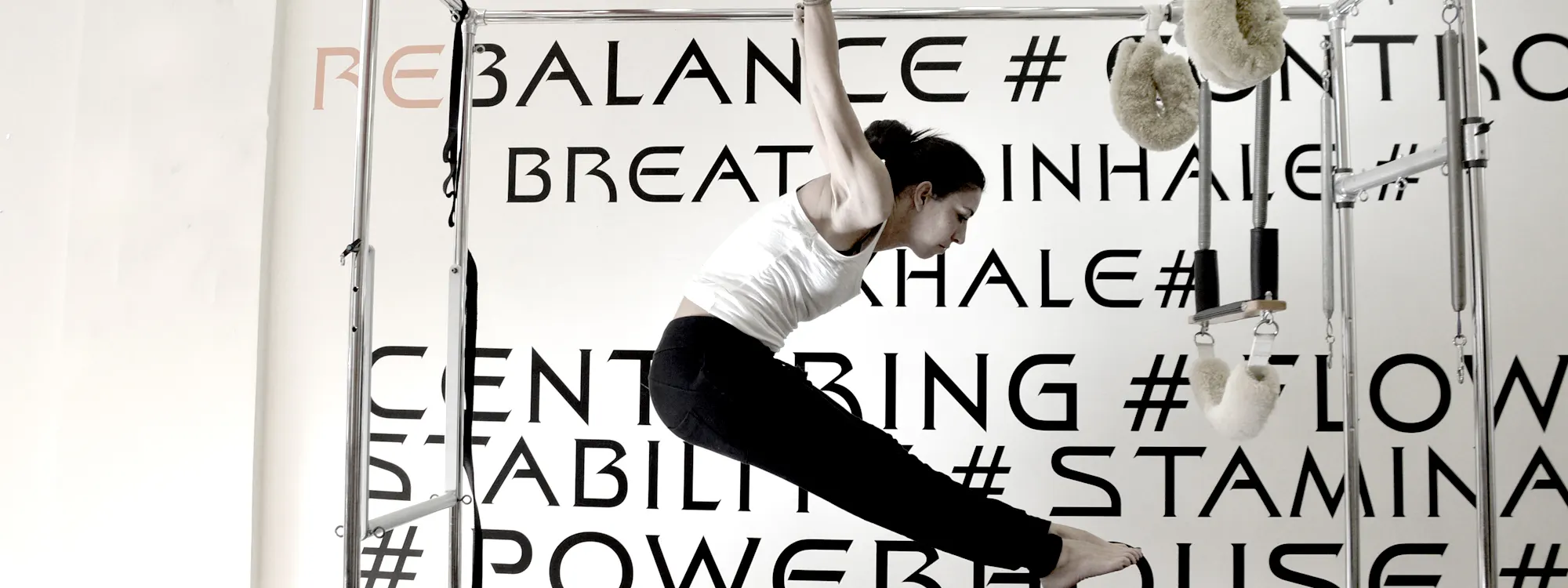
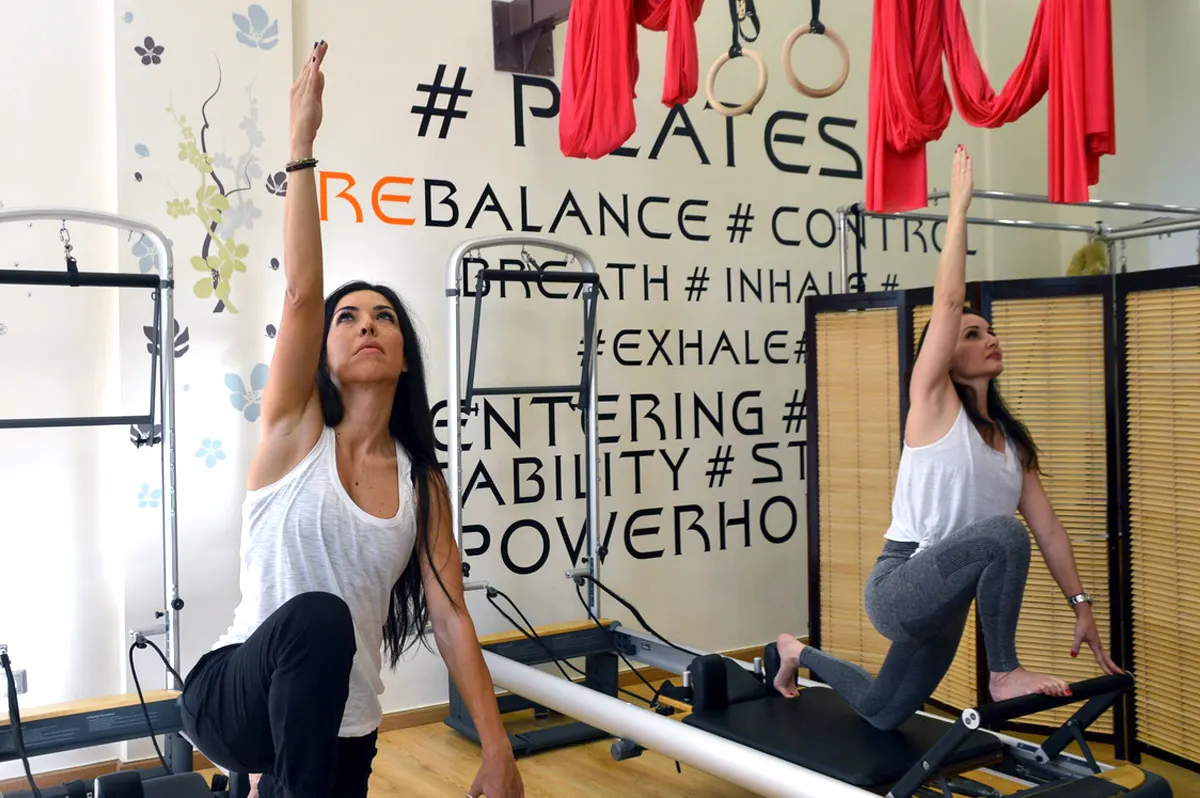
The Pilates method was developed by Joseph H. Pilates, who, with a deep understanding of human physiology, set out to create a complete, high-quality form of exercise. To do so he combined principles of yoga and other traditional Eastern disciplines with the dynamism of Western methods.
His method was first taken up by famous dancers and other movement professionals. Over the years it came to be seen as a true revolution, spreading across the Western world to the wide acceptance it enjoys today.
Powerhouse
Strength starts at the centre
Like any physical object, the human body has a centre of gravity on which its balance depends. Every movement we make starts from the strength that comes from our centre.
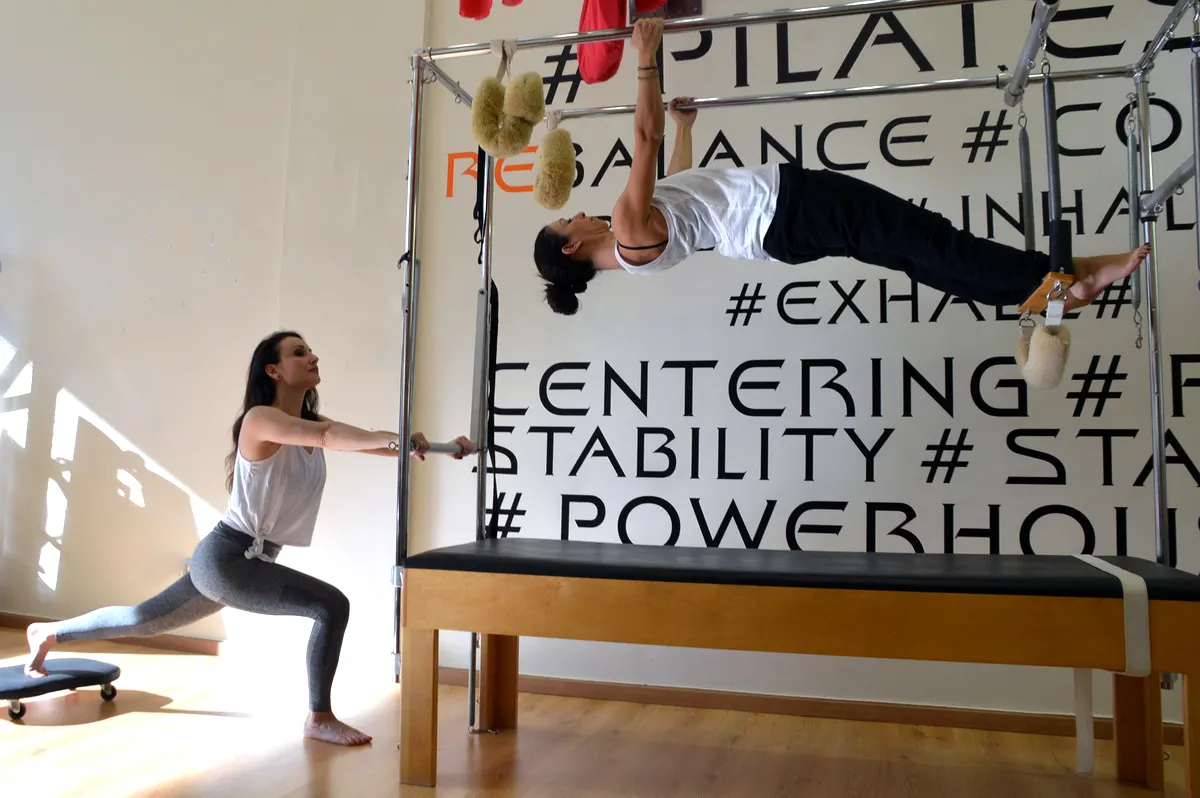
The abdomen sits at the centre of the body and is the source of movement — the “powerhouse”, as Pilates called it. Control of it begins deep, in the inner muscles that lie along the spine. As we learn to engage and control it, breathing correctly, our limbs stay relaxed and supple, free of tension, with their full range of movement.
As strength builds at the centre, the key postural muscles switch on, the spine and torso stabilise, and the body finds correct posture and movement by itself. The muscles come into balance and the whole body moves more efficiently.
Principles
Values in every movement
The method is made up of dozens of precision exercises that involve not only the body but also our awareness. They are performed on specially designed apparatus (reformers), only under trainers specifically trained in the method. Always centred on the body’s core, the exercises rest on these values:
- 01Relaxation
- 02Concentration
- 03Breathing
- 04Alignment
- 05Centring
- 06Control
- 07Precision
- 08Continuous, flowing movement
- 09Stamina
The exercises use many variations with few repetitions, so the muscles tone without bulking, flexibility and strength develop, and the body gains balance, grace and harmony.
Correct breathing is part of every exercise. Precision, concentration and the trainer’s personal attention bring the body into full alignment.
What it is like
Strength and flexibility, together
It is exercise that builds muscle strength and flexibility at the same time, evenly throughout the body. Energy is produced and distributed harmoniously, leaving you with a sense of wellbeing and able to carry on with the rest of your day without fatigue. Coordination gives movement quality, suppleness and natural grace — reflected in the way you stand, sit, walk and work.
Part of the method is the use of specific apparatus, the reformer being the most important. Together with correct breathing and precise execution, the apparatus makes supervised training essential. Each programme is tailored to your personal needs and abilities. Few repetitions and frequent variation make it enjoyable, pain-free and refreshing.
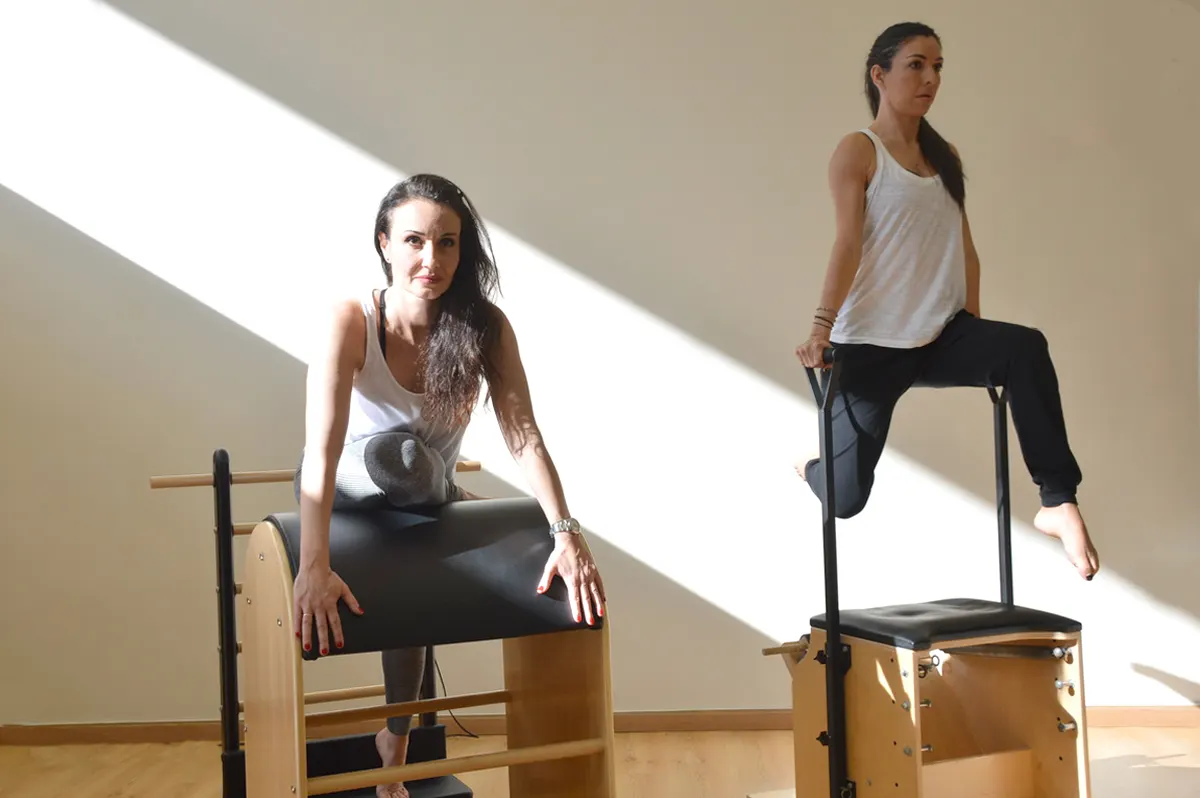
Mat & equipment
Mat or equipment?
Mat Pilates is the form most people know, mainly because it spread through gyms. On the floor, though, beginners usually struggle, as they don’t yet have the core strength and stability to do the programme well.
As a complete technique, Pilates includes some 500 different exercises, on the equipment and on the mat — of which usually about 25% can be done on the mat.
- 500exercises in the method
- 25%can be done on the mat
Our approach
The Rebalance method
We respect and acknowledge the original work of Joseph Pilates, but want to present his great method to today’s exerciser. The Rebalance method allows for creativity and accepts that some clients, for various reasons, cannot perform the original repertoire as Joseph Pilates taught it.
We help everyone lengthen and strengthen their muscles and improve their core strength and quality of breath, so that everyday movement is carried out with ease and elegance. Once enough core strength is in place, you have a firm foundation on which to build your training.
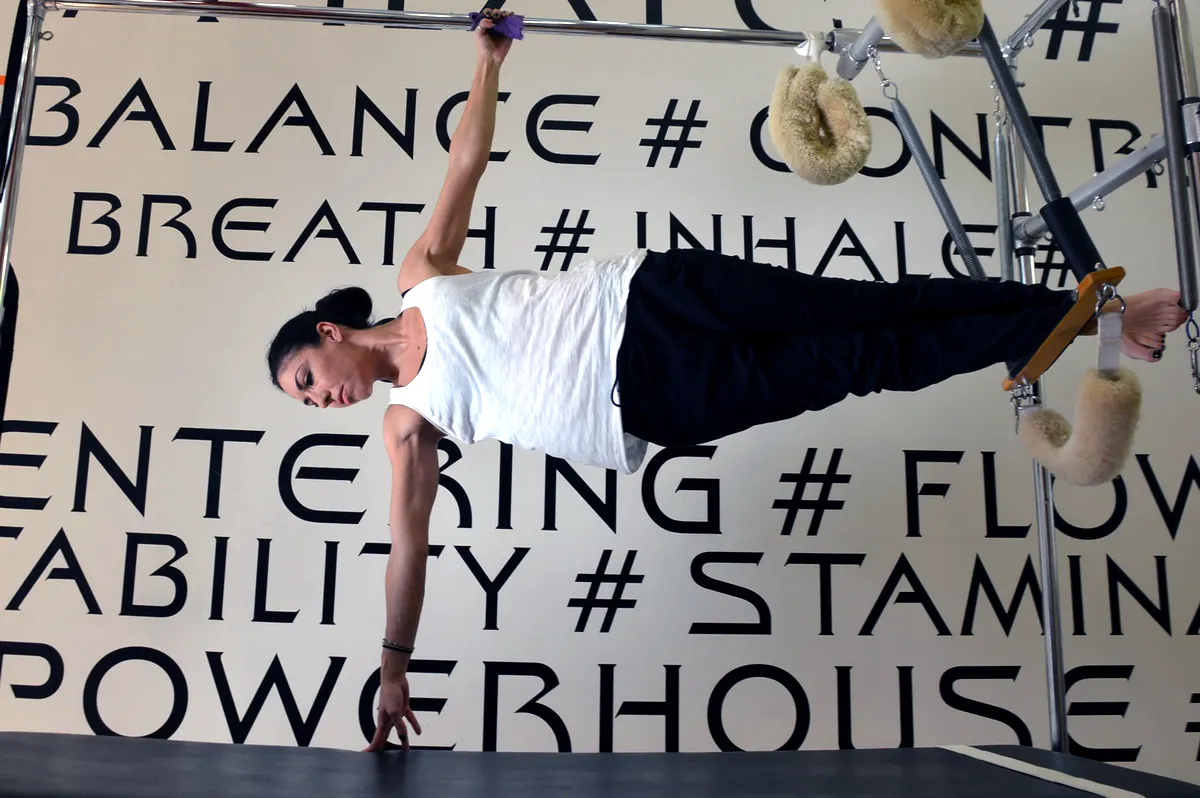
Benefits
What you gain
- A more toned, shapely body, without bulk
- More physical strength
- Better posture, coordination and balance
- More flexible muscles and more supple joints
- Helps prevent and delay osteoporosis, especially in women
- More energy, less fatigue
- Relief from most musculoskeletal problems: lower-back and neck pain, old injuries
- Improvement in scoliosis and other skeletal dysfunctions
- A strong core that better supports the body’s position and posture
Pilates for all
For everyone
Pilates is for everyone, whatever their age, strength or sporting background:
- Anyone looking for a gentle, effective and modern way to exercise
- Anyone who avoids high-impact workouts
- Anyone who wants to improve their posture
- Anyone who needs to reduce stress and fatigue
- Anyone who wants to prevent the signs of osteoporosis
- Anyone living with chronic pain or troubled joints
- Athletes who want to raise their performance
- Dancers and movement professionals
- Teenagers with poor posture (scoliosis, lordosis etc.)
- Pregnant women preparing physically and mentally for birth
- Women after pregnancy
- Older adults (senior Pilates)
In motion
Come and meet us
Call us or visit us, and we’ll find what suits you best.